
Home › Models › BYD SEALION 6 › Troubleshooting › Brake System & Regeneration
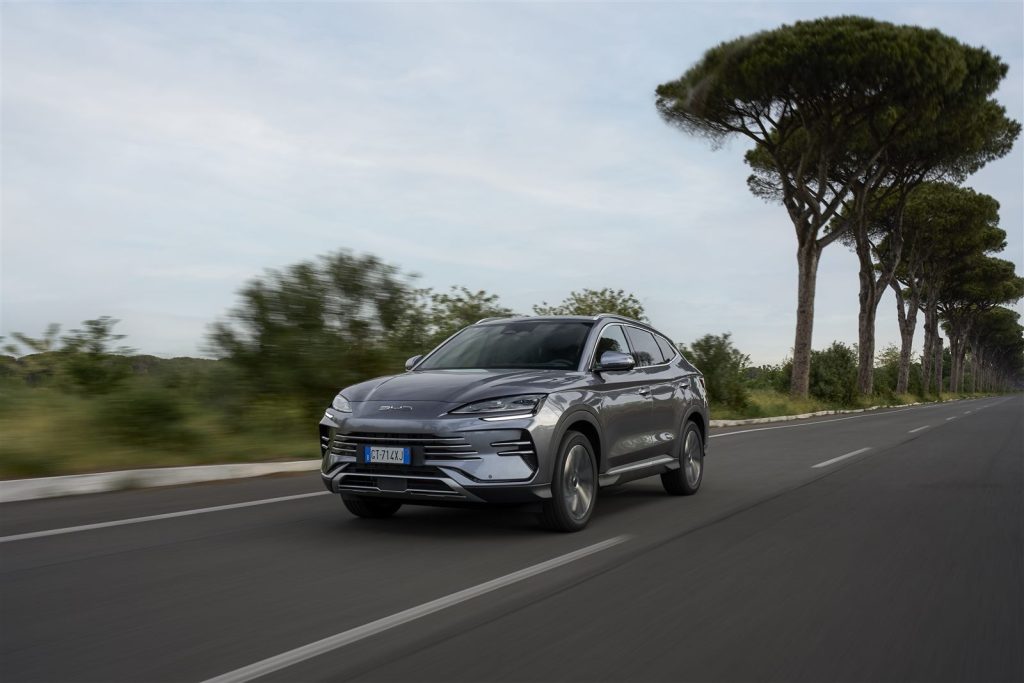
This page provides an independent overview of the braking hardware, regenerative braking, and routine maintenance considerations for the BYD SEALION 6 plug-in hybrid SUV in the Australian market. From the daily driving experience of regenerative brake blending to the upkeep of the friction discs, this guide covers the essentials for owners and prospective buyers. Please note that trim names, specifications and prices reflect a compiled dataset (October 2026) and that BYD Automotive Australia may update variants, so every figure must be confirmed with an authorised BYD dealer or the official BYD Australia website.
The brake system on modern plug-in hybrid electric vehicles (PHEVs) blends traditional hydraulic friction brakes with electrical regeneration. Any diagnostic work, fluid changes, or component replacements must be carried out by an authorised BYD Service Centre or a qualified professional. Because this system operates alongside the high-voltage BYD Blade Battery and the electric drive motors, owners must not attempt DIY repairs. For any concerns regarding braking performance, always consult an authorised BYD dealer.
Contents
- Braking System Hardware
- Regenerative Braking and Pedal Feel
- Parking and Hill Hold Features
- Brake Fluid and Maintenance Schedule
- Managing Heavy Loads and Towing
- Frequently Asked Questions
- See Also
- Sources
Braking System Hardware
Across all variants of the BYD SEALION 6—including the Essential, Dynamic, and Premium trims—the core friction braking hardware consists of front ventilated discs and rear solid discs. The front brakes utilise a floating caliper design.
The kerb weight of the BYD SEALION 6 ranges from 1,940 kg for the Essential Standard Range up to 2,160 kg for the Premium Extended Range. Stopping a vehicle of this mass safely requires robust friction brakes, especially since the gross vehicle mass can reach up to 2,570 kg on the top-tier model. Standard active safety features like automatic emergency braking, forward and rear collision warning, and front and rear cross traffic alert and brake are part of the vehicle’s equipment across all variants. Any replacement parts, fluid checks, or hardware inspections are strictly subject to manufacturer specifications.
Regenerative Braking and Pedal Feel
How the BYD Sealion 6 DM-i super hybrid system is explained in official documentation highlights the use of regenerative braking across all variants. The vehicle uses electric motors (the 145 kW front motor on the front-wheel drive variants, or both the front and 120 kW rear motors on the Premium all-wheel drive) alongside the high-voltage 18.3 kWh or 26.6 kWh battery. The petrol engine operates as part of the overall powertrain. While buyers often research specifications for the 1.5L Xiaoyun engine, the petrol engine operates alongside the electric components rather than independently defining the regenerative braking behaviour.
Achieving a natural regenerative brake pedal blending feel is an important consideration for drivers transitioning to a plug-in hybrid. The system integrates the physical brakes and the regenerative braking function. This energy recovery plays a direct role in the vehicle’s efficiency, which can influence discussions about how real-world fuel consumption compares to the ADR figure of 1.1 L/100 km for the Essential and Premium Extended Range models, though real-world use may differ from ADR 81/02 test results. When comparing the BYD Sealion 6 versus the Mitsubishi Outlander PHEV, buyers should review the specific driving modes (Eco, Normal, and Sport) offered by BYD. If you experience an inconsistent pedal feel or warning lights on the 12.3-inch LCD instrumentation, refer to the official owner’s manual for guidance and have the vehicle inspected.
Parking and Hill Hold Features
The BYD SEALION 6 is equipped with standard hill hold and auto-hold functions across all variants. These systems are designed to assist the driver when stationary or on inclines.
If the auto-hold function fails to engage or the parking brake will not release, do not attempt to force the vehicle to move or physically tamper with any components. Any diagnostic work or repair requires dedicated equipment to resolve, and owners should confirm with BYD Automotive Australia or their roadside assistance provider for support.
Brake Fluid and Maintenance Schedule
Routine maintenance is essential for the long-term reliability of the brake system. According to the BYD Warranty and Service Handbook, replacing the brake fluid is a scheduled maintenance item for the DM-series powertrains.
Official vehicle servicing is due every 20,000 km or 12 months, whichever comes first. However, intervals may need to be shortened under severe operating conditions. Always check the service schedule in your handbook and consult an authorised BYD dealer for the correct maintenance timetable. Brake linings, fluid, and other wear items are not covered under the standard new vehicle warranty, and a charge may be made for their replacement. Additionally, keeping the standard 235/50 R19 Giti tyres in good condition is critical for braking performance.
Managing Heavy Loads and Towing
Brake pads and discs require regular inspection during scheduled maintenance. Any wear and tear must be evaluated by a qualified technician, as brake linings are not covered under the standard new vehicle warranty.
Braking demands can change when the vehicle is subjected to heavy loads. For owners looking to utilise the vehicle for towing, such as determining the braked towing capacity for a caravan or trailer, official towing limits are not stated in the standard brochure. Therefore, owners must check the exact towing capacities in the owner’s handbook and verify requirements with an authorised BYD dealer. Towing beyond specifications can void the vehicle warranty.
Before committing to a purchase—whether researching the BYD Sealion 6 price in Australia or verifying order delivery availability in Australia—ensure that the vehicle’s load capabilities meet your requirements. Official prices are not published on the model page, so contact a dealership for driveaway figures.
Frequently Asked Questions
How often do the brake pads need replacing on the BYD SEALION 6?
Brake wear rates depend entirely on driving style and conditions. They must be inspected at every scheduled service by an authorised BYD dealer, and replacements are subject to manufacturer specifications.
Can I change the brake fluid myself?
No. Any fluid replacement or diagnostic work must be performed by an authorised BYD dealer. Owners must not attempt DIY repairs on systems that interact with the vehicle’s complex hybrid architecture.
Are the brakes different on the Premium all-wheel drive variant?
All variants of the BYD SEALION 6, including the Premium, feature front ventilated discs with floating calipers and rear solid discs. The Premium variants add driving terrain modes like Sand and Mud, but the core friction brake hardware described in the official specifications remains consistent.
Does the BYD SEALION 6 feature hill hold assist?
Yes, the vehicle features standard auto-hold and hill hold functions across all variants, including the Essential, Dynamic, and Premium trims.
Where can I find the correct brake fluid specification?
The correct fluid specifications and inspection items are detailed in the official owner’s manual. Always follow the exact manufacturer guidelines and consult an authorised BYD dealer.
See Also
- BYD SEALION 6 Review & Overview
- BYD SEALION 6 Powertrain & Fuel Specifications
- BYD SEALION 6 Battery & Charging System
- BYD SEALION 6 Steering System & Alignment
- BYD SEALION 6 DiPilot Driver Assistance Systems
- BYD SEALION 6 Troubleshooting & Issues Hub
Sources
- https://bydautomotive.com.au/sealion-6
- https://bydautomotive.com.au/brochures/BYD-SEALION-6-2025.pdf
- https://bydautomotive.com.au/service-and-warranty
- https://bydautomotive.com.au/public/vehicle-warranty-2026.pdf
Disclaimer: This guide is for informational purposes only. Official specifications, recall details, and warranty terms are determined by BYD Automotive Australia (EVDirect). Always consult an authorized dealer or official owner’s manual.