
Home › Models › BYD SEAL › Troubleshooting › Thermal Management & Cabin Climate
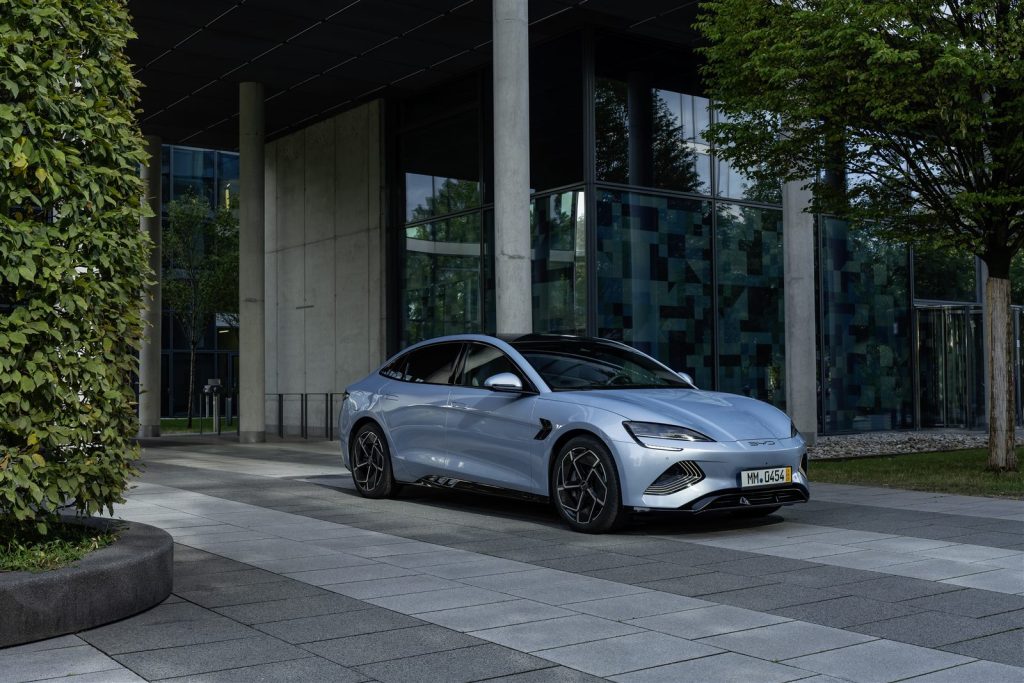
This independent guide explores the thermal management and cabin climate systems of the pure electric (BEV) BYD SEAL sedan in Australia. Covering the automatic dual-zone heat pump air-conditioning, cabin air filtration, and battery temperature regulation, it explains how the vehicle manages temperatures during hot Australian summers and colder winter periods. Because the BYD SEAL is a pure electric vehicle, it has no petrol engine, no exhaust, and no engine oil; all heating and cooling relies entirely on electrical systems powered by the traction battery.
Please note that trim names, specifications and prices reflect a compiled dataset (October 2026) and that BYD Automotive Australia may update variants, so every figure must be confirmed with an authorised BYD dealer or the official BYD Australia website. Official service/warranty page: https://bydautomotive.com.au/service-and-warranty. All maintenance on high-voltage systems must be carried out by qualified personnel. High-voltage orange cables must not be touched or opened by owners.
Contents
- Automatic Dual-Zone Heat Pump Air-Conditioning
- Cabin Filtration and Air Quality
- Battery Thermal Management and Charging
- Interior Temperature Control and Glass Roof
- E-Motor Controller Coolant and Maintenance
- Frequently Asked Questions
- See Also
- Sources
Automatic Dual-Zone Heat Pump Air-Conditioning
The BYD SEAL is equipped with an automatic dual-zone heat pump air-conditioning system. Unlike traditional vehicles that use waste heat from a petrol engine to warm the cabin, this pure electric vehicle uses a heat pump to efficiently warm or cool the interior. By capturing ambient thermal energy, the heat pump minimises the electrical load drawn from the 82.56 kWh BYD Blade Battery. This efficiency helps the vehicle reach its official WLTP range of 570 km for the BYD Seal Premium variant and 520 km for the Performance variant, which is a point of interest for those reviewing a BYD Seal real world highway range test.
In hot Australian summers, the dual-zone climate system allows the driver and front passenger to set their own independent temperature preferences. Control of the climate functions and airflow is accessed through the 15.6-inch intelligent rotating touch screen display, while essential status indicators are shown on the 10.25-inch LCD instrumentation. When reviewing a BYD Seal Premium vs Performance comparison, both trims feature this automated heat pump technology as standard equipment. If the air-conditioning performance seems reduced or if unusual behaviour is observed, do not attempt repairs; instead, consult an authorised BYD dealer for a professional system inspection.
Cabin Filtration and Air Quality
Maintaining optimal air quality inside the passenger cabin is achieved through a combination of a PM2.5 high efficiency filter and a negative ion air purifier. The PM2.5 high efficiency filter is designed to capture fine particulate matter, dust, and pollen before external air enters the cabin environment. Operating in conjunction with the climate control system, the negative ion air purifier further improves the air quality for the occupants.
The replacement of the cabin air filter should be completed strictly according to the official service schedule. The exact intervals for replacing the PM2.5 filter and inspecting the air purification systems are subject to manufacturer specifications and can depend on the local driving conditions. Owners should refer to the official owner’s manual for instructions on operating the specific purification settings via the infotainment display.
Battery Thermal Management and Charging
The thermal management of the 82.56 kWh BYD Blade Battery is critical for maintaining performance, longevity, and charging efficiency. Proper temperature regulation supports the structural battery safety of the BYD Seal Cell to Body (CTB) design. Owners regularly ask about BYD Seal battery pre-conditioning en route to a DC charger, but specific details on automated cell heating are not published in the general specifications; therefore, you must consult an authorised BYD dealer for precise operational parameters.
The vehicle accepts up to 150 kW of DC fast charging via the CCS 2 port. For exact details concerning the BYD Seal 150 kW DC fast charging speed curve or the specific charging time from 10 to 80 percent on an ultra fast charger under varying weather conditions, owners must refer to the official owner’s manual. The official BYD Warranty and Service Handbook outlines specific battery care requirements regarding temperature and storage. In colder weather, specifically in temperatures below 10 degrees Celsius, it is recommended to charge the vehicle right after use when the battery retains some operational heat. Furthermore, if the vehicle is unused for more than seven days, the battery should be kept at a 40% to 60% state of charge. Always confirm with BYD Automotive Australia regarding the correct charging procedures to maintain the 8 years or 160,000 km traction battery warranty.
Interior Temperature Control and Glass Roof
To assist with interior temperature regulation, the BYD SEAL features a panoramic glass roof equipped with an electric sunshade. The sunshade can be deployed electronically to block direct sunlight during the peak heat of the day, significantly reducing the thermal load placed on the automatic dual-zone air-conditioning system.
Passenger comfort is further enhanced by the BYD Seal ventilated front seats for cooling. Both the driver and front passenger seats, which are trimmed in Thaumus Black interior finish, feature ventilation and heating functions to draw heat away from the occupants. For questions about operating the seat climate controls or the driver seat position memory, refer to the official owner’s manual. The exterior of the vehicle is available in Aurora White as standard, with Atlantis Grey, Cosmos Black, and Shark Grey available as options.
E-Motor Controller Coolant and Maintenance
The electric drive motors and related high-voltage electronics generate thermal energy during operation. The BYD SEAL Premium features a rear permanent magnet synchronous motor delivering 230 kW and 360 Nm. The all-wheel drive Performance variant adds a front squirrel cage induction asynchronous motor of 160 kW and 310 Nm, achieving a BYD Seal Performance 0-100 km/h time of 3.8 s. To manage the heat generated by these powerful components, the vehicle uses a dedicated e-motor controller coolant circuit.
The inspection and replacement of the e-motor controller coolant is a scheduled maintenance item for the EV series. Servicing for the BYD SEAL is due at intervals of 20,000 km or 12 months, whichever comes first. Checking fluid levels, inspecting for leaks, and replacing the coolant must be done by a qualified technician at an authorised BYD Service Centre. Owners must never attempt to open the cooling circuit or handle the high-voltage orange cables. While buyers may be waiting for EVDirect delivery times for BYD Seal orders in Australia, it is equally important to plan for the initial 20,000 km or 12-month service once the vehicle is on the road.
Frequently Asked Questions
Does the BYD SEAL have a heat pump system?
Yes, both the Premium and Performance variants of the BYD SEAL are equipped with an automatic dual-zone heat pump air-conditioning system that operates without the need for a petrol engine.
How is the battery temperature managed before fast charging?
While many buyers enquire about BYD Seal battery pre-conditioning en route to a DC charger, the exact operating thresholds are not detailed in the general specifications. Always consult an authorised BYD dealer for precise technical information regarding the thermal management system.
Are the front seats ventilated in the BYD SEAL?
Yes, the front seats on the BYD SEAL are both ventilated and heated, providing optimal comfort and climate control during hot Australian summers.
Can I service the air-conditioning or cooling system myself?
No, components like the e-motor controller coolant and the high-voltage air-conditioning compressor are dangerous to work on. All maintenance must be carried out by an authorised BYD dealer.
What should I do with the battery in temperatures below 10 degrees Celsius?
In temperatures below 10 degrees Celsius, it is recommended to charge the vehicle right after use to take advantage of retained heat. For full battery care instructions, refer to the official owner’s manual.
See Also
- BYD SEAL Review & Overview
- BYD SEAL Battery & Charging System
- BYD SEAL Electric Drive Unit
- BYD SEAL Warranty & Documentation
- BYD SEAL Troubleshooting & Issues Hub
Sources
- https://bydautomotive.com.au/seal
- https://bydautomotive.com.au/brochures/BYD-SEAL-2026.pdf
- https://bydautomotive.com.au/service-and-warranty
- https://bydautomotive.com.au/public/vehicle-warranty-2026.pdf
Disclaimer: This guide is for informational purposes only. Official specifications, recall details, and warranty terms are determined by BYD Automotive Australia (EVDirect). Always consult an authorized dealer or official owner’s manual.