
Home › Models › BYD ATTO 3 › Troubleshooting › 12V Auxiliary Electrical System
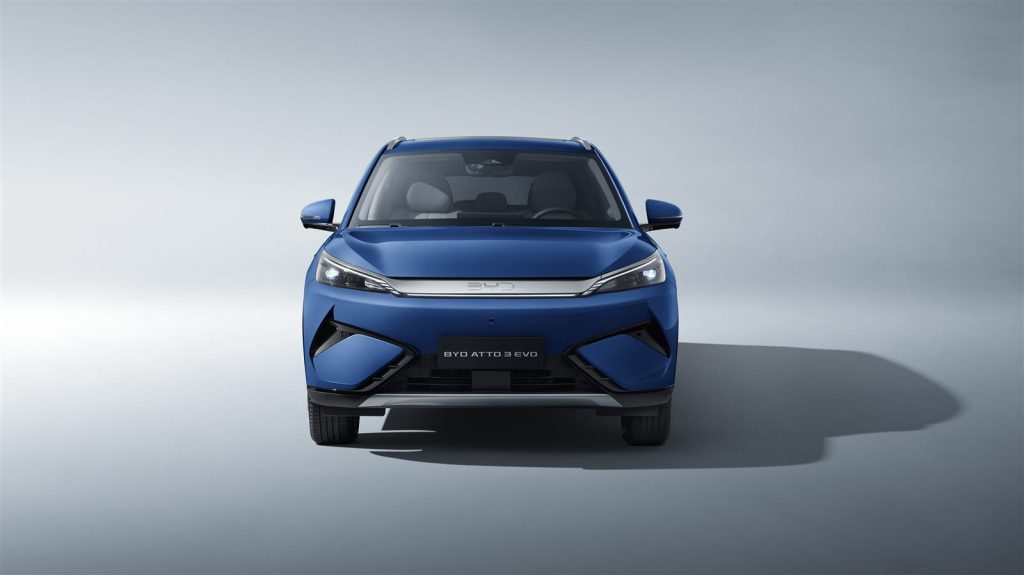
This independent guide covers the low-voltage auxiliary electrical systems of the BYD ATTO 3. The vehicle operates exclusively on a pure electric powertrain (BEV); it has no petrol engine, no exhaust, no spark plugs, and no engine oil. Trim names, specifications and prices reflect a compiled dataset (October 2026). As BYD Automotive Australia may update variants such as the Essential, Dynamic, and Premium, every figure must be confirmed with an authorised BYD dealer or the official BYD Australia website before making decisions.
Any maintenance work involving the vehicle’s electrical architecture is strictly subject to manufacturer specifications. All technical details regarding the 12V system must be verified to maintain the vehicle warranty. This page outlines general information regarding the 12V battery, access keys, and basic electrical functions.
Contents
- 12V Auxiliary Battery Overview
- Battery Drain and Jump-Starting
- Smart Key Fob and Access
- Lighting and Electrical Components
- Warranty Coverage for Electronics
- Frequently Asked Questions
- See Also
- Sources
12V Auxiliary Battery Overview
The BYD ATTO 3 utilises a lead acid starting (12V) battery. This separate low-voltage battery powers the vehicle’s essential electronics before the high-voltage BYD Blade Battery (ranging from 49.92 kWh on the Essential trim up to 74.88 kWh on the EVO Premium) is engaged. Essential systems powered by the 12V circuit include the 12.8-inch intelligent rotating touch screen on standard models or the 15.6-inch intelligent touch screen on Premium trims, as well as the 8.8-inch digital driver’s display on EVO variants.
The lead acid starting (12V) battery is covered by a specific warranty period of 12 months or 20,000 km, whichever occurs first. Because the vehicle relies entirely on electric power, a functioning 12V battery is required to operate the doors and to boot up the systems. If the 12V system is completely depleted, the main high-voltage system cannot be activated.
Battery Drain and Jump-Starting
If an owner suspects a BYD Atto 3 12V auxiliary battery drain problem or a flat battery scenario, they will note that the interior systems become unresponsive. Without a functional 12V battery, the infotainment screens will not turn on, and the built-in dash camera will not record.
When emergency power is required, questions regarding a BYD Atto 3 jump start procedure or under-bonnet terminal connections must be directed to a professional. The exact location of connection points is not detailed in the official specifications. Dealing with electric vehicle architecture involves proximity to high-voltage systems. High-voltage orange cables must not be touched or opened by owners under any circumstances. For any flat battery recovery, refer to the official owner’s manual for precise safety warnings. Step-by-step repair or jump-starting procedures are not provided here; all such work must be performed by an authorised BYD dealer or a qualified technician.
Smart Key Fob and Access
Access to the vehicle is managed via electronic key systems. For enquiries concerning a BYD Atto 3 NFC card key or wing mirror reader setup, consult an authorised BYD dealer. The official specifications do not detail the exact pairing methods or hardware locations for the card key.
The smart key fob requires an internal power source. If an owner is investigating a BYD Atto 3 smart key fob battery replacement, such as a CR2032, they should verify the exact battery type with the official documentation. The warranty handbook notes that transmitter batteries are considered wear items for which a charge may be made. If ongoing issues with vehicle access occur after a battery change, confirm with BYD Automotive Australia for diagnostic support.
Lighting and Electrical Components
The 12V electrical system powers the exterior and interior lighting. If owners require a BYD Atto 3 LED headlight beam level adjustment or suspect an alignment issue, the process should be handled by a professional. The official specifications do not detail the headlamp adjustment procedure, so it must be done by an authorised BYD dealer to ensure the lights meet Australian road safety standards without blinding oncoming traffic.
Additionally, the low-voltage system powers a vast array of safety features. These include the 360-degree camera, front parking sensors (2 zones), rear parking sensors (4 zones), adaptive cruise control with stop and go, automatic emergency braking, forward and rear collision warning, blind spot detection, and door open warning. These systems depend on a stable power supply to operate effectively. Modifications to the electrical system are strictly prohibited; the warranty does not cover damage caused by unauthorised modifications or alterations.
Warranty Coverage for Electronics
The BYD ATTO 3 comes with a new vehicle warranty of 6 years / 150,000 km. This broad warranty covers many of the low-voltage electrical components and safety sensors against manufacturing defects. As noted, the lead acid starting (12V) battery has a coverage limited to 12 months or 20,000 km.
The high-voltage power battery and drive unit (which includes the drive motor and drive motor controller) are covered for 8 years or 160,000 km, with a guarantee of at least 70% battery capacity retention. It is imperative that all servicing is carried out correctly at the scheduled intervals (such as 20,000 km / 12 months for the EV series); failure to service strictly per the manufacturer’s recommendations may compromise warranty claims.
Frequently Asked Questions
How is a flat battery or 12V auxiliary battery drain problem resolved?
If a flat 12V battery is encountered, roadside assistance or a qualified technician must be contacted. Do not attempt to repair or reset the electrical system independently; consult an authorised BYD dealer for proper diagnosis and warranty support.
Where are the connections for the jump start procedure?
The official specifications do not detail the location of jump-start connections. Interacting with the electrical architecture can be extremely hazardous due to nearby high-voltage components. Always refer to the official owner’s manual and have a qualified professional perform any jump-start to ensure safety.
Can the setup of the NFC card key be handled by an owner?
The official documents do not provide hardware details for an NFC card reader. If a card is not registering correctly, the system must be tested and paired by an authorised BYD dealer using official diagnostic tools.
Is the smart key fob battery replacement covered by warranty?
The warranty handbook does not specify the battery type, but it explicitly states that transmitter batteries are items for which a charge may be made. Replacement is not covered by the new vehicle warranty as they are regular wear items.
Who can perform a headlight beam level adjustment?
Headlight alignments should only be carried out by a qualified technician using the correct alignment equipment. This ensures the beams are set correctly and are subject to manufacturer specifications.
See Also
- BYD ATTO 3 Review & Overview
- BYD ATTO 3 Pricing & Purchase Guide
- BYD ATTO 3 Warranty & Documentation
- BYD ATTO 3 Battery & Charging System
- BYD ATTO 3 Troubleshooting & Issues Hub
Sources
- https://bydautomotive.com.au/atto-3
- https://bydautomotive.com.au/brochures/BYD-ATTO-3-EVO.pdf
- https://bydautomotive.com.au/service-and-warranty
- https://bydautomotive.com.au/public/vehicle-warranty-2026.pdf
Disclaimer: This guide is for informational purposes only. Official specifications, recall details, and warranty terms are determined by BYD Automotive Australia (EVDirect). Always consult an authorized dealer or official owner’s manual.