
Home › Models › BYD SEAL › Troubleshooting › Brake System & Regeneration
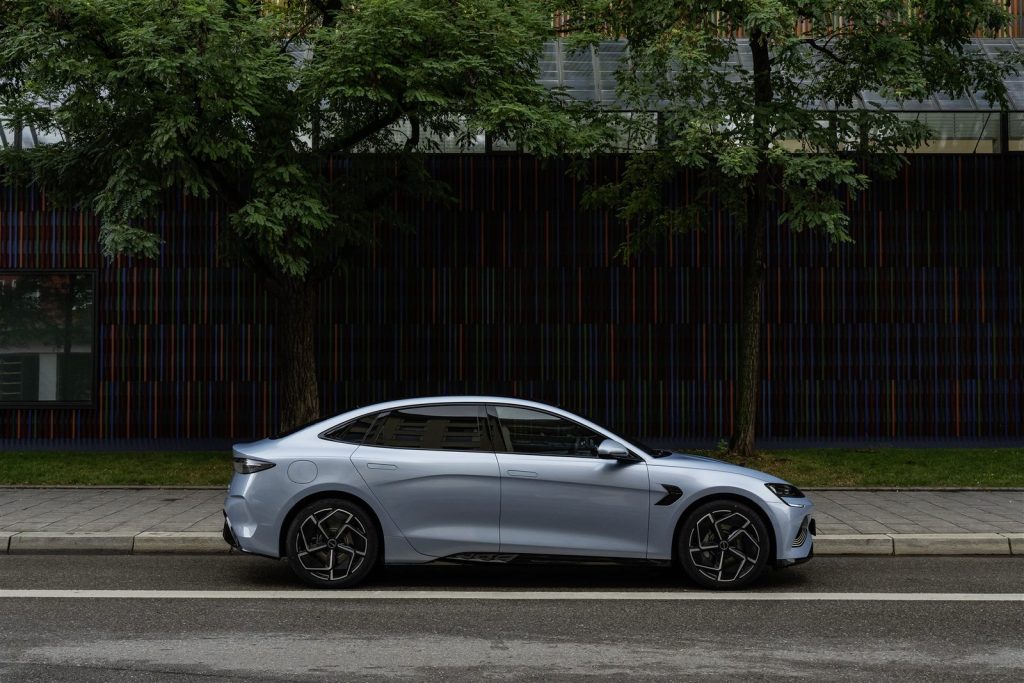
This page provides an independent guide covering the braking components of the pure electric BYD SEAL, a battery electric vehicle (BEV) equipped with an 82.56 kWh BYD Blade Battery. It has no petrol engine, no exhaust, no spark plugs, and no engine oil. Note that trim names, specifications and prices reflect a compiled dataset (October 2026) and that BYD Automotive Australia may update variants. Consequently, every figure must be confirmed with an authorised BYD dealer or the official BYD Australia website (https://bydautomotive.com.au/service-and-warranty).
While checking BYD Seal order delivery times in Australia via EVDirect, or researching a BYD Seal versus Tesla Model 3 review for Australia, prospective owners note the importance of understanding the vehicle’s regenerative braking. For any concerns regarding braking performance or friction brake blending, refer to the official owner’s manual.
Contents
- Regenerative Braking and Friction Brake Blending
- Brake Hardware: Discs, Calipers and Pads Wear
- Brake Fluid Maintenance
- Pedal Feel and System Operation
- Handbrake and EPB Operation
- Workshop Service and Safety
- Frequently Asked Questions
- See Also
- Sources
Regenerative Braking and Friction Brake Blending
The BYD SEAL is a pure electric vehicle driven entirely by electric motors. The Premium variant utilises a rear permanent magnet synchronous motor producing 230 kW and 360 Nm. The Performance variant adds a front squirrel cage induction asynchronous motor of 160 kW and 310 Nm, for a combined maximum power of 390 kW and maximum torque of 670 Nm. Both variants feature regenerative braking.
For specific details on how regenerative and friction brake blending are managed, refer to the official owner’s manual. Drivers observing the vehicle’s deceleration behaviour should schedule an inspection if the braking force feels inconsistent. Any repairs remain strictly subject to manufacturer specifications.
Brake Hardware: Discs, Calipers and Pads Wear
The physical braking components of the BYD SEAL include ventilated and drilled front discs with fixed calipers. On the Performance variant, these front calipers are painted. At the rear, the vehicle is equipped with ventilated rear discs. The braking system operates through alloy wheels fitted with 235/45 R19 tyres. Furthermore, the Performance variant features Intelligent Torque Adaptation Control (iTAC).
When searching for information regarding the BYD Seal fixed brake calipers, performance components, and pads replacement, refer to the official owner’s manual. Owners evaluating the BYD Seal price in Australia should note that while the brake linings are wear items for which a charge may be made, they are inspected during scheduled logbook servicing. To accurately assess pad thickness or disc condition, consult an authorised BYD dealer.
Brake Fluid Maintenance
The brake fluid requires regular replacement as part of the vehicle’s scheduled maintenance. The official servicing schedule mandates services at 20,000 km or 12 months, 40,000 km or 24 months, 60,000 km or 36 months, 80,000 km or 48 months, 100,000 km or 60 months, and 120,000 km or 72 months (whichever comes first). Replacing the brake fluid is explicitly recorded in the handbook service record for EV series vehicles, alongside replacing the e-motor controller coolant.
Maintaining the correct fluid specification is critical. Any top-up or replacement procedures must be performed by an authorised BYD dealer or qualified technician. The precise fluid type and volume must be confirmed with BYD Automotive Australia. Whether assessing the BYD Seal driveaway price across Sydney, Melbourne, Brisbane, and Perth or simply reviewing ongoing costs, buyers should account for these routine servicing requirements.
Pedal Feel and System Operation
When performing a BYD Seal Dynamic, Premium, or Performance comparison, it is important to remember that the verified Australian brochure lists only the Premium and Performance variants, with no Dynamic variant included. The kerb weight is 2,055 kg for the Premium and 2,185 kg for the Performance. Any adjustments or concerns regarding the brake pedal feel must be confirmed with an authorised BYD dealer.
With the Performance variant achieving a 0-100 km/h time of 3.8 s, consistent brake pedal response is required. If a dashboard warning light illuminates, it indicates a fault requiring immediate assessment. For detailed descriptions of the dashboard warning lights related to the braking system, always refer to the official owner’s manual.
Handbrake and EPB Operation
The BYD SEAL has a ground clearance unladen of 149 mm on the Premium and 145 mm on the Performance, and parking on inclines requires the vehicle to securely hold the gross vehicle mass of up to 2,501 kg or 2,631 kg respectively. Specific operational instructions for the handbrake (EPB) are outlined in the official documentation.
Buyers arranging a BYD Seal novated lease below the luxury car tax (LCT) threshold should verify that any warranty claims regarding the vehicle are handled correctly through official channels. Any queries regarding the physical operation, engagement, or release of the handbrake (EPB) must be directed to the official documentation. If a warning light illuminates on the 10.25-inch LCD instrumentation, diagnosing parking brake faults must be completed by an authorised BYD dealer to ensure correct operation.
Workshop Service and Safety
Working on the BYD SEAL brake system involves specific safety protocols. The vehicle features a high-voltage electrical system, and the BYD Seal Cell to Body (CTB) structural battery safety integration means lifting the vehicle on a hoist requires using the designated jacking points to avoid damaging the 82.56 kWh traction battery.
Brake work must be done by an authorised BYD dealer or qualified technician. High-voltage orange cables must not be touched or opened by owners. Always confirm with BYD Automotive Australia regarding the correct maintenance procedures and approved service centres.
Frequently Asked Questions
How long do the brake pads last on the BYD SEAL?
Brake linings are items for which a charge may be made and are inspected at every scheduled service interval to determine if replacement is necessary.
Does the BYD SEAL require special brake fluid?
The vehicle requires brake fluid replacement according to the official service intervals. Owners should consult an authorised BYD dealer for the exact fluid specifications and capacities.
Can I charge the battery while the car is parked using the brakes?
No, regenerative braking requires the vehicle to be moving. To charge the vehicle while stationary, owners must connect the AC charging port Type 2 (7 kW) or the DC charging port CCS 2 (150 kW) to replenish the battery.
What should I do if the brake warning light activates?
If the brake warning light appears on the 10.25-inch LCD instrumentation, safely stop the vehicle. You must refer to the official owner’s manual and have the vehicle inspected by an authorised BYD dealer or qualified technician.
Are the brake calipers the same on all variants?
Both the Premium and Performance variants feature ventilated and drilled front discs with fixed calipers, but the front calipers on the Performance variant are painted. To verify part compatibility, confirm with BYD Automotive Australia or an authorised dealer.
See Also
- BYD SEAL Review & Overview
- BYD SEAL Logbook Servicing Guide
- BYD SEAL Powertrain & Fuel Specifications
- BYD SEAL Battery & Charging System
- BYD SEAL 12V Auxiliary Electrical System
Sources
- https://bydautomotive.com.au/seal
- https://bydautomotive.com.au/brochures/BYD-SEAL-2026.pdf
- https://bydautomotive.com.au/service-and-warranty
- https://bydautomotive.com.au/public/vehicle-warranty-2026.pdf
Disclaimer: This guide is for informational purposes only. Official specifications, recall details, and warranty terms are determined by BYD Automotive Australia (EVDirect). Always consult an authorized dealer or official owner’s manual.