
Home › Models › BYD SEAL › Troubleshooting › Battery & Charging System
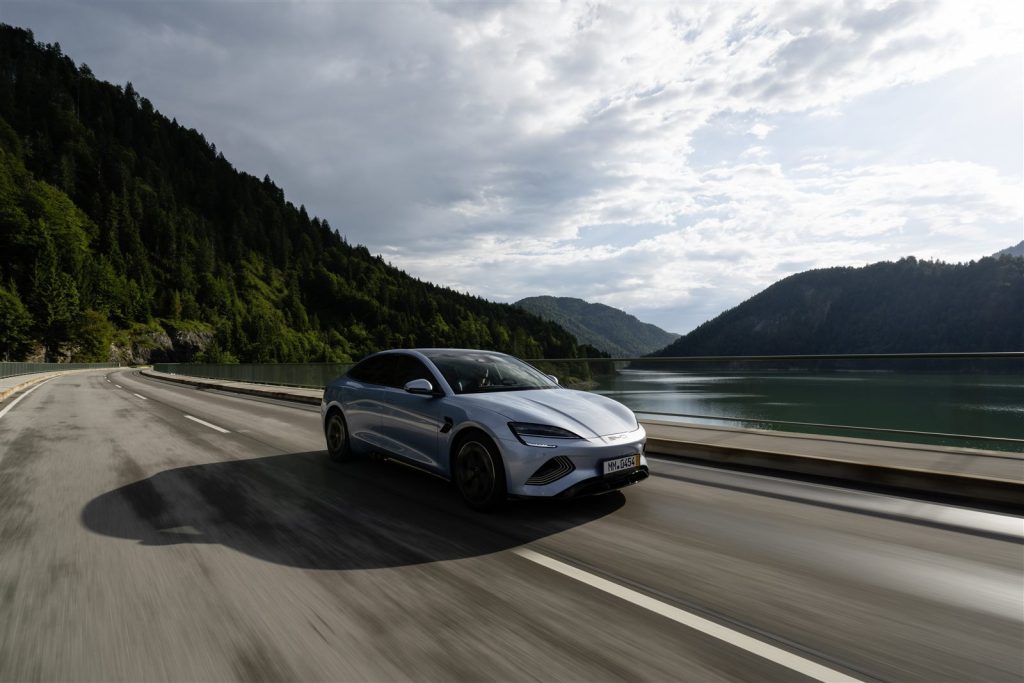
This guide outlines the battery and charging system of the BYD SEAL, a pure electric (BEV) sedan available in Premium and Performance variants. It covers the charging ports, battery care practices for the 82.56 kWh BYD Blade Battery, and the vehicle’s electrical output capabilities. Because the BYD SEAL relies entirely on its pure electric powertrain, proper charging and battery maintenance are essential for achieving optimal efficiency.
Please note that trim names, specifications and prices reflect a compiled dataset (October 2026) and that BYD Automotive Australia may update variants, so every figure must be confirmed with an authorised BYD dealer or the official BYD Australia website. For complete instructions and warnings, refer to the official owner’s manual. This is an independent guide; official specifications, recall details, and warranty terms are determined by BYD Automotive Australia (EVDirect). The official service and warranty page is https://bydautomotive.com.au/service-and-warranty.
Contents
- Blade Battery Care and Maintenance
- Powertrain Output and Range Parameters
- Home AC Charging with Type 2 Ports
- Public DC Fast Charging
- Vehicle to Load (V2L) Operation
- Battery Diagnostics and Safety Restrictions
- Frequently Asked Questions
- See Also
- Sources
Blade Battery Care and Maintenance
The BYD SEAL is equipped with an 82.56 kWh BYD Blade Battery across both the Premium rear-wheel drive and Performance all-wheel drive variants. This component utilises Cell-to-Body (CTB) battery integration, an architecture that contributes to structural strength. To maintain Cell-to-Body (CTB) structural battery safety and performance, keeping the battery in accordance with factory guidelines is required to preserve longevity and ensure the vehicle operates subject to manufacturer specifications.
Owners are advised to fully charge the battery at least once a week. Furthermore, performing a full charge from below 10% via AC charging every three to six months aids range estimation algorithms in the vehicle’s software. In cold climates, particularly in temperatures below 10 degrees Celsius, it is recommended to charge the vehicle right after use.
If the BYD SEAL remains unused for more than 7 days, the power battery must be kept at a 40%-60% state of charge. When the vehicle is stored and unused for more than 3 months, owners must fully charge and then discharge the battery back to 40%-60% every 3 months. Should the state of charge drop to 0%, the battery requires prompt recharging, as damage resulting from a failure to recharge is not covered under the official guarantee. For long-term storage preparation, always consult an authorised BYD dealer.
Powertrain Output and Range Parameters
The pure electric powertrain draws strictly from the high-voltage battery to supply the drive units. On the Premium variant, the rear permanent magnet synchronous motor provides a maximum power of 230 kW and maximum torque of 360 Nm. The Performance variant adds a front squirrel cage induction asynchronous motor, bringing maximum power to 390 kW and maximum torque to 670 Nm, allowing a 0-100 km/h acceleration of 3.8 s compared to 5.9 s for the Premium.
The WLTP test indicates a range of 570 km for the Premium and 520 km for the Performance, while the NEDC figures are stated as 650 km and 580 km respectively. A real world highway range test compared to the 570 km WLTP figure may yield different results depending on speed, aerodynamic drag, and the use of the automatic dual-zone heat pump air-conditioning. To recover energy during deceleration, both models utilise regenerative braking, returning power to the 82.56 kWh battery.
Home AC Charging with Type 2 Ports
The BYD SEAL features an AC charging port Type 2, which supports up to 7 kW of alternating current charging. This is the primary method for overnight charging. The vehicle also comes with a portable charging cable (mode 2) for emergency charging. Proper maintenance of the charging port involves keeping the cover closed when not in use.
Routinely inspect the Type 2 port for any visual obstructions before inserting the plug. The 12 months emergency charging and discharging device warranty covers the AC charging connection device. Owners seeking to install a dedicated wallbox should employ a licensed electrician, as home electrical modifications are subject to manufacturer specifications and local compliance laws. If the AC charging port fails to lock the cable, owners should consult an authorised BYD dealer for an inspection.
Public DC Fast Charging
For extended journeys, the BYD SEAL is equipped with a DC charging port CCS 2 that supports charging at up to 150 kW. The actual 150 kW DC fast charging speed curve on the CCS 2 port may fluctuate during a session due to variables such as ambient conditions and the current state of charge. While users research the charging time from 10 to 80 percent on an ultra fast charger, official sources do not publish exact duration claims for this interval.
Any unexpected interruptions, connector lock failures, or software errors during a CCS 2 fast charging session must be investigated by an authorised BYD dealer or qualified technician. For guidance on optimal charging routines during long trips, refer to the official owner’s manual.
Vehicle to Load (V2L) Operation
Beyond propulsion, the BYD SEAL includes a V2L function and a V2L discharge adapter. This feature allows the vehicle to load external electrical devices by acting as a mobile power bank. The system outputs alternating current through the provided discharge connection device. Queries about the V2L vehicle to load output socket capacity should be checked against the documentation, as official specifications do not state a specific maximum output figure beyond general V2L capability.
The V2L function is strictly for powering standard appliances within its rated limit. Any use of the discharge connection device must conform to the instructions provided with the vehicle. If the V2L output fails to power an appliance or the adapter displays a fault, refer to the official owner’s manual to verify the correct operating procedure before seeking professional service.
Battery Diagnostics and Safety Restrictions
The pure electric powertrain operates at high voltages. All orange high-voltage cables and internal battery components are strictly off-limits to owners. Dangerous work involving the high-voltage system must be done by an authorised BYD dealer or qualified technician. There are no serviceable parts within the high-voltage battery enclosure for end-users, and unauthorised modifications or third-party conversions will void the coverage.
During routine visits, technicians will perform scheduled services which are due at 20,000 km / 12 months, 40,000 km / 24 months, 60,000 km / 36 months, 80,000 km / 48 months, 100,000 km / 60 months and 120,000 km / 72 months (whichever comes first). Items recorded in the service record include the replacement of brake fluid and e-motor controller coolant; however, specific intervals for individual items are not detailed in the general handbook. The 8 year traction battery warranty includes a minimum 70 percent SOH (state of health) guarantee, valid for 160,000 km, whichever occurs first. Any concerns regarding the battery capacity retention or diagnostics must be addressed using proprietary diagnostic tools at a certified service centre. Confirm with BYD Automotive Australia regarding any specific diagnostic inquiries.
Frequently Asked Questions
Does the BYD SEAL have a structural battery?
Yes, the vehicle utilises Cell-to-Body (CTB) battery integration, which incorporates the 82.56 kWh BYD Blade Battery into the physical structure. For structural repair guidelines, consult an authorised BYD dealer.
What is the traction battery warranty on the BYD SEAL?
The traction battery is covered for 8 years or 160,000 km, whichever occurs first, with a guarantee of at least 70% battery capacity retention. Always refer to the official owner’s manual and warranty handbook for full conditions.
Can the BYD SEAL power external appliances?
Yes, the vehicle includes a V2L function and a V2L discharge adapter, allowing it to supply alternating current to external electrical devices.
What should I do if the DC fast charging is slower than expected?
The DC charging port CCS 2 supports 150 kW, but charging speeds will vary based on temperature and state of charge. If performance seems unusual, confirm with BYD Automotive Australia or a service centre.
How should the battery be maintained during long periods of non-use?
If unused for more than 7 days, keep the battery at a 40%-60% state of charge. If stored for more than 3 months, it must be fully charged and then discharged back to 40%-60% every 3 months. Confirm with BYD Automotive Australia if you require specific long-term storage advice.
See Also
- BYD SEAL Powertrain & Fuel Specifications
- BYD SEAL Warranty & Documentation
- BYD SEAL Logbook Servicing Guide
- BYD SEAL Electric Drive Unit
- BYD SEAL Troubleshooting & Issues Hub
Sources
- https://bydautomotive.com.au/seal
- https://bydautomotive.com.au/brochures/BYD-SEAL-2026.pdf
- https://bydautomotive.com.au/service-and-warranty
- https://bydautomotive.com.au/public/vehicle-warranty-2026.pdf
Disclaimer: This guide is for informational purposes only. Official specifications, recall details, and warranty terms are determined by BYD Automotive Australia (EVDirect). Always consult an authorized dealer or official owner’s manual.