
Home › Models › BYD DOLPHIN › Troubleshooting › Thermal Management & Cabin Climate
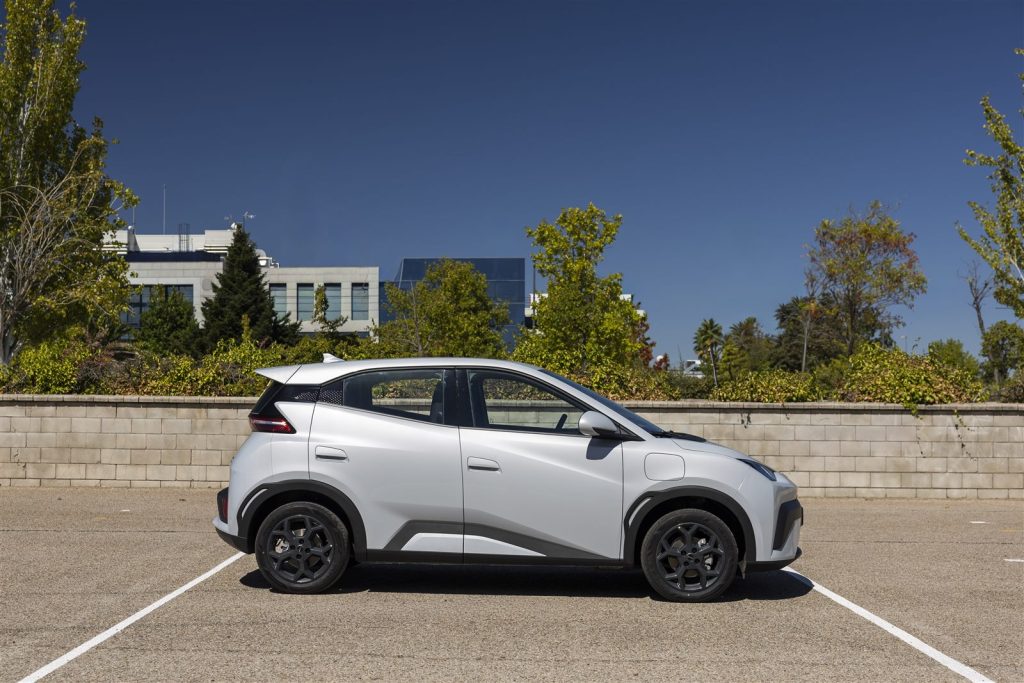
This guide covers the thermal management and cabin climate systems of the pure electric BYD DOLPHIN hatchback as sold in Australia. It outlines the operation of the heat pump, the automatic air-conditioning system, and the PM2.5 cabin filtration. Please note that trim names, specifications and prices reflect a compiled dataset (October 2026) and that BYD Automotive Australia may update variants, so every figure must be confirmed with an authorised BYD dealer or the official BYD Australia website. Official service/warranty page: https://bydautomotive.com.au/service-and-warranty. This resource is an independent reference; for diagnostics or repair, refer to the official owner’s manual or consult an authorised BYD dealer.
Contents
- Heat Pump and Cabin Temperature Management
- Automatic Air-Conditioning and Cabin Comfort
- Battery Thermal Management
- Australian Summer and Hot-Weather Behaviour
- Cold-Weather Behaviour and Battery Care
- High-Voltage Cooling and Safety Servicing
- Frequently Asked Questions
- See Also
- Sources
Heat Pump and Cabin Temperature Management
A heat pump is listed as standard equipment on both the Essential and Premium variants of the BYD DOLPHIN. It is included among the vehicle’s comfort and technology features. Because the heat pump is part of the high-voltage electrical network, any inspection or repair work must be performed by an authorised BYD dealer or qualified technician.
This feature is present regardless of which battery configuration is selected — whether the 44.9 kWh pack in the Essential or the 60.48 kWh pack in the Premium. The heat pump assists in maintaining cabin comfort across Australia’s varied climate conditions. The precise operating parameters of this system are subject to manufacturer specifications; confirm with BYD Automotive Australia if specific performance queries arise.
Automatic Air-Conditioning and Cabin Comfort
Cabin climate is controlled via the 12.8-inch intelligent rotating touchscreen, which provides access to the automatic air-conditioning interface. Both the Essential and Premium variants include a PM2.5 air filter, designed to restrict fine particulate matter — including dust and pollen — from entering the cabin. This filter is particularly relevant for Australian conditions, where bush fire smoke and dry dusty environments are seasonal concerns.
The system software is capable of receiving over-the-air (OTA) updates, which may refine climate control functionality over time. Interior comfort also varies by variant: the Premium adds a panoramic glass roof and heated front seats, while both models share synthetic leather seats in a Grey + Black interior scheme. The exact servicing schedule for cabin filter replacement is not published in the sources used here; refer to the official owner’s manual for maintenance guidance.
| Feature | Essential Variant | Premium Variant |
|---|---|---|
| Automatic Air-Conditioning | Standard | Standard |
| PM2.5 Air Filter | Standard | Standard |
| Heat Pump | Standard | Standard |
| Synthetic Leather Seats | Standard | Standard |
| Heated Front Seats | Not Equipped | Standard |
| Panoramic Glass Roof | Not Equipped | Standard |
Battery Thermal Management
The BYD Blade Battery is the traction battery used in both variants — 44.9 kWh in the Essential and 60.48 kWh in the Premium. The specific construction and cooling architecture of the Blade Battery are not detailed in the sources used here; for technical queries about battery thermal management, consult an authorised BYD dealer or refer to the official owner’s manual.
Thermal loads on the battery vary depending on driving demands. The Essential’s 70 kW motor produces 180 Nm of torque and reaches 100 km/h in 12.3 seconds, while the Premium’s 150 kW motor produces 310 Nm and reaches 100 km/h in 7 seconds. The battery management system handles thermal demands within BYD’s engineering parameters, details of which are subject to manufacturer specifications.
Temperature management is also relevant during DC fast charging. The CCS 2 port supports up to 60 kW on the Essential and up to 80 kW on the Premium. Maintaining the traction battery within appropriate temperature ranges during charging supports long-term battery health, which is covered under BYD’s 8-year or 160,000 km battery warranty — including a guarantee of at least 70% capacity retention.
Australian Summer and Hot-Weather Behaviour
Australia’s summer climate places significant demand on a vehicle’s cooling and climate systems. The BYD DOLPHIN’s automatic air-conditioning manages cabin temperature in elevated ambient heat, while the PM2.5 filter provides added comfort in dusty or smoky air. Owners can access vehicle functions via the BYD digital key and the 12.8-inch touchscreen.
The operating details for the thermal management system under hot Australian conditions are not published in the sources used here beyond what is noted in this guide. Whether using the vehicle for urban commuting or longer highway routes, owners should refer to the official owner’s manual for guidance on managing battery health in high-temperature conditions. When using the V2L discharge function with the V2L adapter to run appliances — for example, at a campsite — any queries about thermal behaviour during sustained discharge should be directed to an authorised BYD dealer.
Cold-Weather Behaviour and Battery Care
The BYD DOLPHIN includes a heat pump as standard on both variants. For detailed information on how the heat pump performs during cooler conditions, refer to the official owner’s manual or consult an authorised BYD dealer, as operational performance details are not published in the sources used here.
The BYD Warranty and Service Handbook outlines specific cold-weather battery care requirements. In temperatures below 10 degrees Celsius, owners should charge the vehicle right after use to take advantage of residual battery warmth. If the state of charge drops to 0%, the battery must be recharged promptly — failure to do so is not covered under the warranty. For extended storage of more than 7 days, the handbook recommends keeping the battery between 40% and 60% state of charge. For vehicles stored more than 3 months, a full charge followed by discharge to 40%–60% every 3 months is recommended. Always refer to the official owner’s manual for complete guidance.
High-Voltage Cooling and Safety Servicing
The BYD DOLPHIN’s thermal management system is integrated with the high-voltage electrical architecture of the vehicle. The e-motor controller coolant is listed among the items in the official service record. The exact replacement interval for this item is not individually specified in the sources used here; service intervals and replacement schedules must be confirmed with an authorised BYD dealer or by referring to the official owner’s manual.
This guide does not provide step-by-step repair or maintenance instructions for the thermal management system. Any diagnostic, inspection, or repair work on these components must be carried out by an authorised BYD dealer or a qualified technician. High-voltage orange cables must not be touched or opened by owners under any circumstances. Should any warning indicators or anomalies arise relating to cooling or climate function, confirm with BYD Automotive Australia regarding warranty coverage and approved repair procedures.
Frequently Asked Questions
Does the BYD DOLPHIN have a heat pump?
Yes, a heat pump is listed as standard equipment on both the Essential and Premium variants sold in Australia. For detailed operating specifications, refer to the official owner’s manual or consult an authorised BYD dealer.
What does the PM2.5 filter do on the BYD DOLPHIN?
The PM2.5 air filter is designed to reduce fine particulate matter entering the cabin from outside air. It is standard on both variants and is particularly relevant in Australian conditions where dust, pollen, and smoke can affect air quality.
Are heated seats available on the BYD DOLPHIN?
Heated front seats are standard on the Premium variant only. They are not included on the Essential variant. The exact specifications are subject to manufacturer specifications and should be confirmed with an authorised BYD dealer.
Can owners service the battery thermal management system themselves?
No. The thermal management system is integrated with the vehicle’s high-voltage electrical architecture. High-voltage orange cables must not be touched or opened by owners, and all related work must be performed by an authorised BYD dealer or qualified technician.
How should the battery be cared for in cold weather?
In temperatures below 10 degrees Celsius, the BYD Warranty and Service Handbook recommends charging the vehicle right after use. If the battery drops to 0% state of charge, it must be recharged promptly. Always consult an authorised BYD dealer or refer to the official owner’s manual for complete cold-weather battery care guidance.
Does the BYD DOLPHIN support V2L for running appliances at a campsite?
Both variants include a V2L function and a V2L discharge adapter. For guidance on using this feature safely in relation to battery temperature and thermal management, refer to the official owner’s manual or consult an authorised BYD dealer.
See Also
- BYD DOLPHIN Review & Overview
- BYD DOLPHIN Pricing & Purchase Guide
- BYD DOLPHIN Warranty & Documentation
- BYD DOLPHIN Logbook Servicing Guide
- BYD DOLPHIN Battery & Charging System
- BYD DOLPHIN Troubleshooting & Issues Hub
Sources
- https://bydautomotive.com.au/dolphin
- https://bydautomotive.com.au/brochures/BYD-DOLPHIN-2025.pdf
- https://bydautomotive.com.au/service-and-warranty
- https://bydautomotive.com.au/public/vehicle-warranty-2026.pdf
Disclaimer: This guide is for informational purposes only. Official specifications, recall details, and warranty terms are determined by BYD Automotive Australia (EVDirect). Always consult an authorized dealer or official owner’s manual.