
Home › Models › BYD SEALION 7 › Troubleshooting › DiPilot Driver Assistance Systems
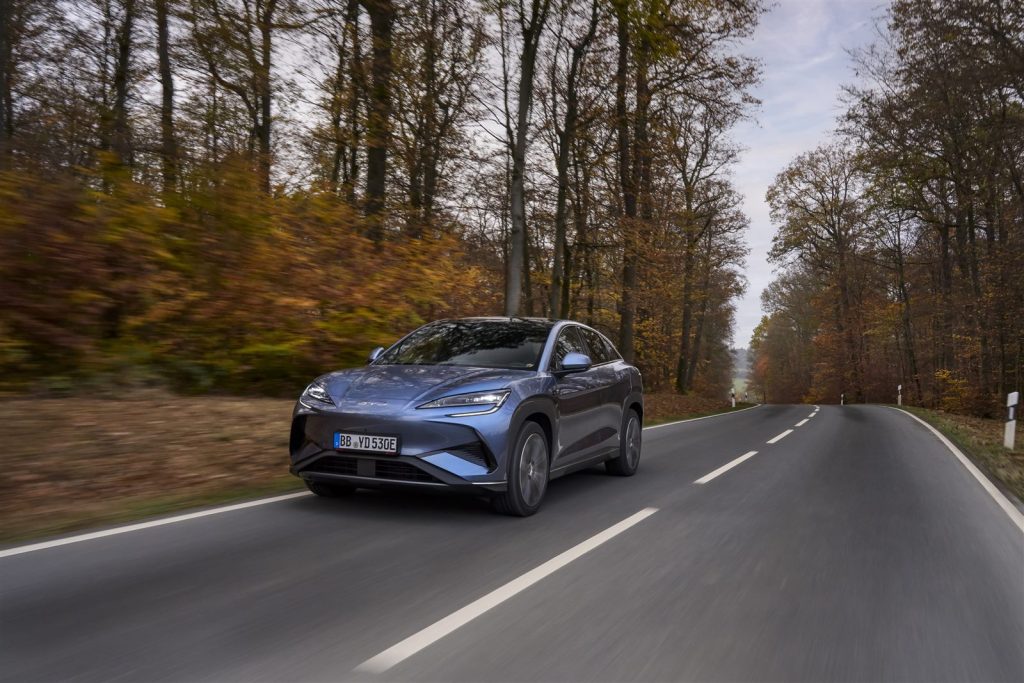
Welcome to the independent troubleshooting and reference guide covering the BYD SEALION 7 DiPilot Driver Assistance Systems. This document outlines the active safety, passive safety, and sensor network features integrated into this pure electric (BEV) SUV. Please note that trim names, specifications and prices reflect a compiled dataset (October 2026) and that BYD Automotive Australia may update variants. Consequently, every figure must be confirmed with an authorised BYD dealer or the official BYD Australia website.
This guide is intended for informational purposes. All diagnostic work, parts replacement, and sensor calibration are strictly subject to manufacturer specifications. Official service and warranty details are published at https://bydautomotive.com.au/service-and-warranty.
Contents
- DiPilot Active Safety Architecture
- Low-Speed Manoeuvring and Parking Systems
- Lane Assistance and Highway Driving
- Passive Safety, Airbags and Occupant Protection
- Sensor Maintenance and System Calibration
- Integration with the Electric Powertrain
- Frequently Asked Questions
- See Also
- Sources
DiPilot Active Safety Architecture
The BYD SEALION 7 integrates a comprehensive suite of hardware and software designed to monitor the environment around the vehicle, marketed under the DiPilot banner. The system processes inputs from various exterior cameras, radar modules, and ultrasonic sensors to operate advanced functions. These functions include adaptive cruise control, automatic emergency braking, forward collision warning, and rear collision warning.
When comparing the BYD SEALION 7 Premium RWD vs Performance AWD specifications, the core driver assistance functionality remains consistent across both variants. The BYD Sealion 7 DiPilot active safety systems continuously assess the distance to vehicles ahead and can intervene by applying the brakes if a collision is predicted. Any physical repair or realignment of the underlying radar and camera hardware constitutes complex and dangerous work. Therefore, any required maintenance or diagnosis must be done by an authorised BYD dealer or qualified technician.
Low-Speed Manoeuvring and Parking Systems
To assist with urban driving and precise parking near a kerb, the BYD SEALION 7 is equipped with a high-resolution 360-degree camera. This visual aid displays the vehicle’s immediate surroundings on the central 15.6-inch intelligent rotating touch screen display. The camera system works in conjunction with the front parking sensors, which cover two zones, and the rear parking sensors, which cover four zones.
The vehicle also features front and rear cross traffic alert and brake functions. These features are designed to detect approaching vehicles or pedestrians when the driver is reversing out of a driveway or pulling out of a junction. If a driver experiences persistent false alarms, or if a sensor indicates a fault, they should consult an authorised BYD dealer for a thorough system scan.
Lane Assistance and Highway Driving
During highway driving, the DiPilot systems offer several functions that monitor the vehicle’s position within its lane. The lane keeping assist and emergency lane keeping assist systems can provide steering intervention if the vehicle begins to drift out of a marked lane without the use of an indicator. Furthermore, blind spot detection and lane change warning systems alert the driver to vehicles travelling in adjacent lanes.
Additional features include traffic sign recognition and intelligent speed limit control, which display current speed limits and restrictions on the 10.25-inch LCD instrumentation and the head-up display. A driver attention warning system observes the driver’s behaviour to detect fatigue. If the instrument cluster displays an unfamiliar warning icon, drivers should refer to the official owner’s manual to understand the specific system alert.
Passive Safety, Airbags and Occupant Protection
Beyond the active DiPilot features, the BYD SEALION 7 is equipped with a robust passive safety network designed to protect occupants in the event of a collision. The interior features front, side, curtain, far-side, and rear side airbags. The seatbelts are equipped with dual stage pretensioners to secure occupants firmly against the seats during an impact. The vehicle also includes a door open warning system and a child presence detection system.
Regarding structural safety and independent crash testing, the official BYD SEALION 7 promotional materials display the ANCAP logo. For detailed reports on any BYD Sealion 7 ANCAP safety assessment audit, consumers should visit ancap.com.au. The deployment of airbags or pretensioners requires comprehensive component replacement and module reprogramming. High-voltage orange cables and airbag modules must not be touched or opened by owners. Work on these systems must be done by an authorised BYD dealer or qualified technician.
Sensor Maintenance and System Calibration
The effectiveness of the DiPilot system is dependent on unobstructed views from the vehicle’s cameras, radar panels, and ultrasonic sensors. Dirt, mud, snow, or heavy rain can impair these sensors, which may result in temporary system unavailability alerts on the dashboard. Owners can clean the exterior sensor surfaces using water and a soft cloth to restore functionality.
However, the internal calibration of these sensors is a highly precise technical requirement. If the vehicle undergoes panel repairs, suspension modifications, or a windscreen replacement, the radar and camera modules will require recalibration. This procedure demands specialised alignment targets and dedicated diagnostic software. Consequently, ADAS calibration must be done by an authorised BYD dealer or qualified technician. Any adjustments made to the vehicle’s ride height or structural components are subject to manufacturer specifications.
Integration with the Electric Powertrain
As a pure electric vehicle, the BYD SEALION 7 relies entirely on a high-capacity traction battery and electric motors. The regenerative braking system operates in coordination with the DiPilot suite during adaptive cruise control and automatic emergency braking events. Prospective owners reading a BYD Sealion 7 electric family SUV road test review will note the seamless interaction between the electric drivetrain and the braking control modules.
The hardware running the DiPilot sensors draws electrical energy from the vehicle’s systems. The BYD Sealion 7 WLTP range is rated at 482 km for the Premium variant and 456 km for the Performance variant, figures that account for the energy consumption of standard electronic systems. The vehicle is powered by an 82.56 kWh BYD Blade Battery, providing the necessary BYD Sealion 7 Blade battery capacity to run these advanced sensor arrays. While utilizing BYD Sealion 7 AC charging via the 11 kW Type 2 connection or the 150 kW DC charging port, the underlying diagnostic modules remain active. For comprehensive details regarding the BYD Sealion 7 Australia price and release date, or to confirm the final BYD Sealion 7 driveaway price, buyers must confirm with BYD Automotive Australia or local retailers.
Frequently Asked Questions
How do I reset a DiPilot system warning light?
A persistent warning light indicates a fault or sensor blockage. Clean the exterior sensors first. If the warning remains, refer to the official owner’s manual and consult an authorised BYD dealer for a diagnostic scan.
Can I calibrate the 360-degree camera myself?
No. Camera and radar calibration requires proprietary alignment tools and software. This work must be done by an authorised BYD dealer or qualified technician.
Are the driver assistance systems different on the AWD model?
Comparing the BYD SEALION 7 Premium RWD vs Performance AWD specifications shows that the DiPilot active safety hardware and functionality remain consistent across both drivetrain configurations.
Where can I find the official safety rating for this vehicle?
While the official BYD website displays an ANCAP logo, you should check ancap.com.au for any official BYD Sealion 7 ANCAP safety assessment audit results and detailed crash test scores.
Why does the lane keeping assist turn off in heavy rain?
Heavy rain or poor visibility can block the forward-facing cameras, causing the system to temporarily suspend operation. The system will alert the driver when it is unavailable.
See Also
- BYD SEALION 7 Review & Overview
- BYD SEALION 7 Warranty & Documentation
- BYD SEALION 7 Logbook Servicing Guide
- BYD SEALION 7 Brake System & Regeneration
- BYD SEALION 7 Troubleshooting & Issues Hub
Sources
- https://bydautomotive.com.au/sealion-7
- https://bydautomotive.com.au/brochures/BYD-SEALION-7-2026.pdf
- https://bydautomotive.com.au/service-and-warranty
- https://bydautomotive.com.au/public/vehicle-warranty-2026.pdf
- https://www.ancap.com.au
Disclaimer: This guide is for informational purposes only. Official specifications, recall details, and warranty terms are determined by BYD Automotive Australia (EVDirect). Always consult an authorized dealer or official owner’s manual.